The evolution of Château Dauzac
Owners who have left their mark on French wine history
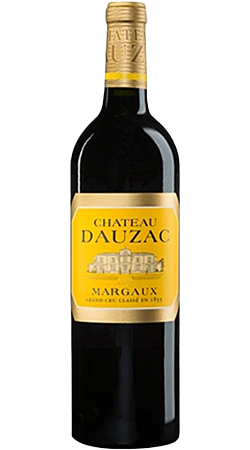
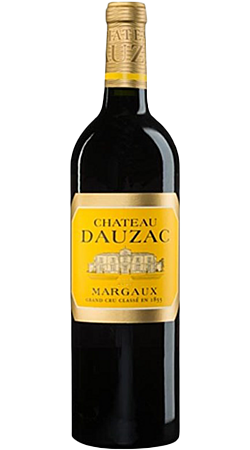
The first mention ofDauzac estateThe estate's history as a wine-producing enterprise dates back to 1545 with the Benedictine monks. The Château gradually acquired its prestige and attracted merchants and members of Parliament.Bordeauxsucceed one another at the head of the property until the end of theOld RegimeThen in 1685, the Bordeaux merchantPierre Drouillard, treasurer ofFranceerects theChâteau Dauzacamong the most prestigious domains ofMedocThis success continues with his grandson.Jean-Baptiste Lynchthen it's the family's turnWiebrookto maintain the reputation of the Château's wines. The objective has been achieved since theChâteau Dauzacis classified as 5th Grand Cru ofMargauxin 1855. The yellow label that we still know today on the estate's bottles was created in 1863 by the powerful familyJohnstonAt the same time,Ernest DavidThe estate manager invented the famous Bordeaux mixture, thus saving the Bordeaux vineyards from mildew. In 1955, the Château was acquired byMr. Bernatwhich will be the precursor of thermoregulation.
Since 1989, MAIF has held theChâteau DauzacShe built a new winery there in 2014. The Managing Director isLaurent Fortinwhich converts the vineyard to biodynamic farming, replants ungrafted vines and produces a vegan wine, Le D deDauzac.
The exceptional terroir of Château Dauzac
Respectful viticulture for great wines
The vineyard ofDauzacextends over 49 hectares of contiguous vineyards, 45 of which are located within the appellationMargauxand 4 in appellationHaut-Médoc350 meters from the estuary, betweenLabardeAndMacauThe estate boasts a terroir typical of its main appellation. Indeed, the soil is composed of a deep gravelly slope over a subsoil of gravel and clay. The vines benefit from protection against oceanic winds thanks to the proximity of over 120 hectares of woods and meadows. This verdant setting, combined with the quality of the soils, offers a magnificent terroir thatLaurent Fortincultivated with precision and respect. Thus, the vineyard is maintained according to the principle of plot selection, and since 2017 the vines have been farmed biodynamically. Respect for biodiversity is also one of the estate's key objectives, and theChâteau Dauzacis committed to many aspects of this issue. Coexistence with different animal species is valued:
- Sheep are present in the meadows.
- A large number of beehives have been installed on the estate.
Picnic tables are available for families and friends to enjoy the peaceful surroundings.Château Dauzacis the product not of a vineyard, but of a true ecosystem. The grape varieties are traditional.Medocwith 69% ofcabernet-sauvignon29% ofmerlotand 2% oflittle green one.
The quality of the wines from Château Dauzac
Precision expertise
The state of mind with whichLaurent FortinThe care of the vines is reflected in the winery. The harvest is done by hand. After destemming, the juice is placed in temperature-controlled tanks. Each plot is vinified separately. The double-stacked, transparent wooden vats used since 2014 ensure even more meticulous winemaking. Finally, the wine is aged for 12 to 18 months in extra-fine French oak barrels, 60% of which are new.Château Dauzaccarries out a rigorous selection of wood each year in order to produce "vintage wines". The blending is advised by the renowned oenologist,Eric BoissenotAnother distinctive feature of the estate is its production of 100% vegan wines since 2016, meaning that no egg whites are used for fining. Indeed, contrary to traditional practice, fining is carried out using plant-based proteins. A total of five wines are produced at the estate:
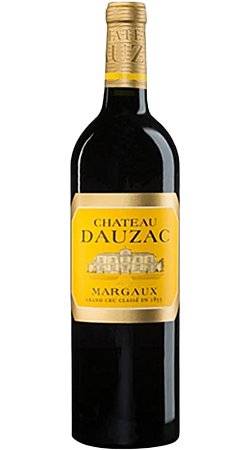
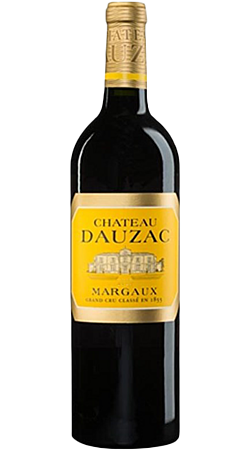
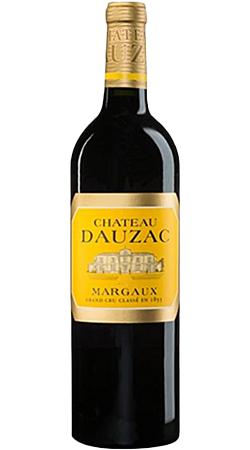
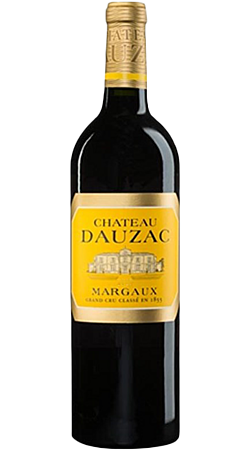
Château DauzacThis is the Grand Vin of the Château. It is a wine with a great aromatic richness and fine, balanced tannins. Aromas of fruit, flowers, and spices intertwine to the delight of lovers of complex and elegant wines. The cuvéeAurore de Dauzaccomes from vines planted on a particular geological vein where the gravel is sandy and fine.Labastide Dauzaccomes from plots planted on more clayey soil where themerlotexpresses itself beautifully. The vintageHaut-Médoc
de Dauzacis produced from the 4-hectare vineyard in the appellationHaut-Médoc. Finally,the DofDauzacis the vegan wine of the Château.