Domaine Paul Pillot
A family story
Working the vines and respecting the terroir seem to be ingrained in the DNA.PillotIndeed, the history of the Domaine begins withJean-Baptiste Pillotin the 19th century. He, who was a cooper, decided to cease his trade to devote himself fully to viticulture. Although wine was already being produced in his time, it was not until the 1960s and his grandsonPaul Pillotbefore the estate spreads its wings.
Paul PillotBy significantly increasing the planted area, he gave a great boost to the family estate. Today it is his children,Thierry and ChristelleThey took up the mantle and together they form a complementary duo. She is primarily responsible for the work in the vineyard, while he has more expertise in winemaking. For over 10 years now, these young owners have continued to refine their wine style. Today, they are able to produce authentic wines that reflect their terroir.
Chassagne-Montrachet
A unique terroir
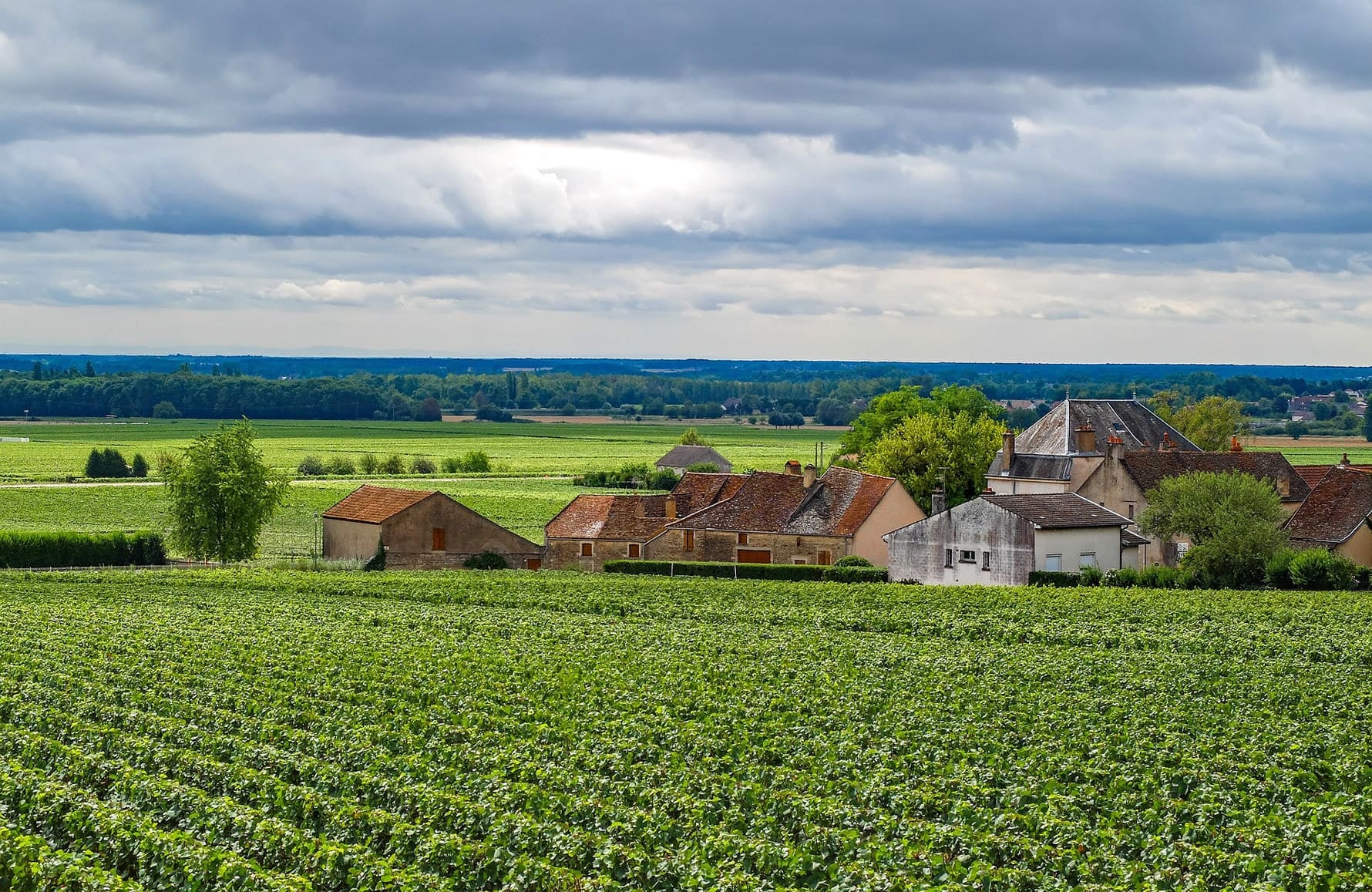
The Chassagne-Montrachet appellation takes its name from the eponymous village. Located inCôte de Beaunein the heart of Burgundy, it occupies a prime location among the vineyards ofPuligny-Montrachetto the north andSantenayto the south. Within the 315 hectares that make up this appellation, some thirty estates coexist, benefiting from the advantages of this particular terroir. On clay-limestone, stony, or marly soils, two main grape varieties flourish:Chardonnayand thePinot NoirThe vineyards together produce almost 15,000 hectoliters per year, 60% white and 40% red. Thus, the terroir ofChassagne-Monrachetgives rise to great wines, particularly wines for aging. The classifications for this appellation indicate the presence of 3Grands Crus of Burgundy (Montrachet, Criots-Bâtard-Bontrachet,AndBastard-Monrachet)and 55Premier Crus!
A new style
Freshness and minerality
From the very first vintages, brother and sister have always strived for environmentally friendly wine production. Agriculture is...reasonedand controlled yields. They ban synthetic products and advocate working the soil. Similarly, the harvest, done by hand at full maturity, takes place in the best conditions.respect for the fruitNext, the pursuit of authenticity continues in the cellar. For example, the wine ferments with its own yeasts, and the use of new oak remains limited and tailored to each vintage. This approach is then reflected in the bottle, and the wines seem to adopt anew styleIndeed, they are more inclined towards thefreshness and minerality,and reveal agreat purityToday, this audacity is rewarded and warmly praised by critics who describe the Paul Pillot estate as "the new elite of Chassagne-Montrachet"