Petrolo - Italy

Learn more
Wines Petrolo - Italy

The iconic ones

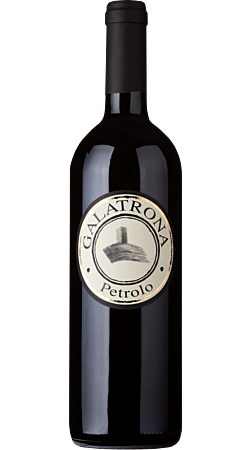
  • Petrolo - Galatrona 2023 - Valdarno di Sopra
    98 JS
    • ❄️ Winter Offer

    Petrolo - Galatrona 2023 - Valdarno di Sopra

    World • Valdarno di Sopra • Red

    Regular price 306,00€ tax included
    Sale price 306,00€ tax included Regular price
    Unit price 102,00€ / unit

    In stock

    Contact us for a personalized request.

History of the Estate Petrolo - Italy
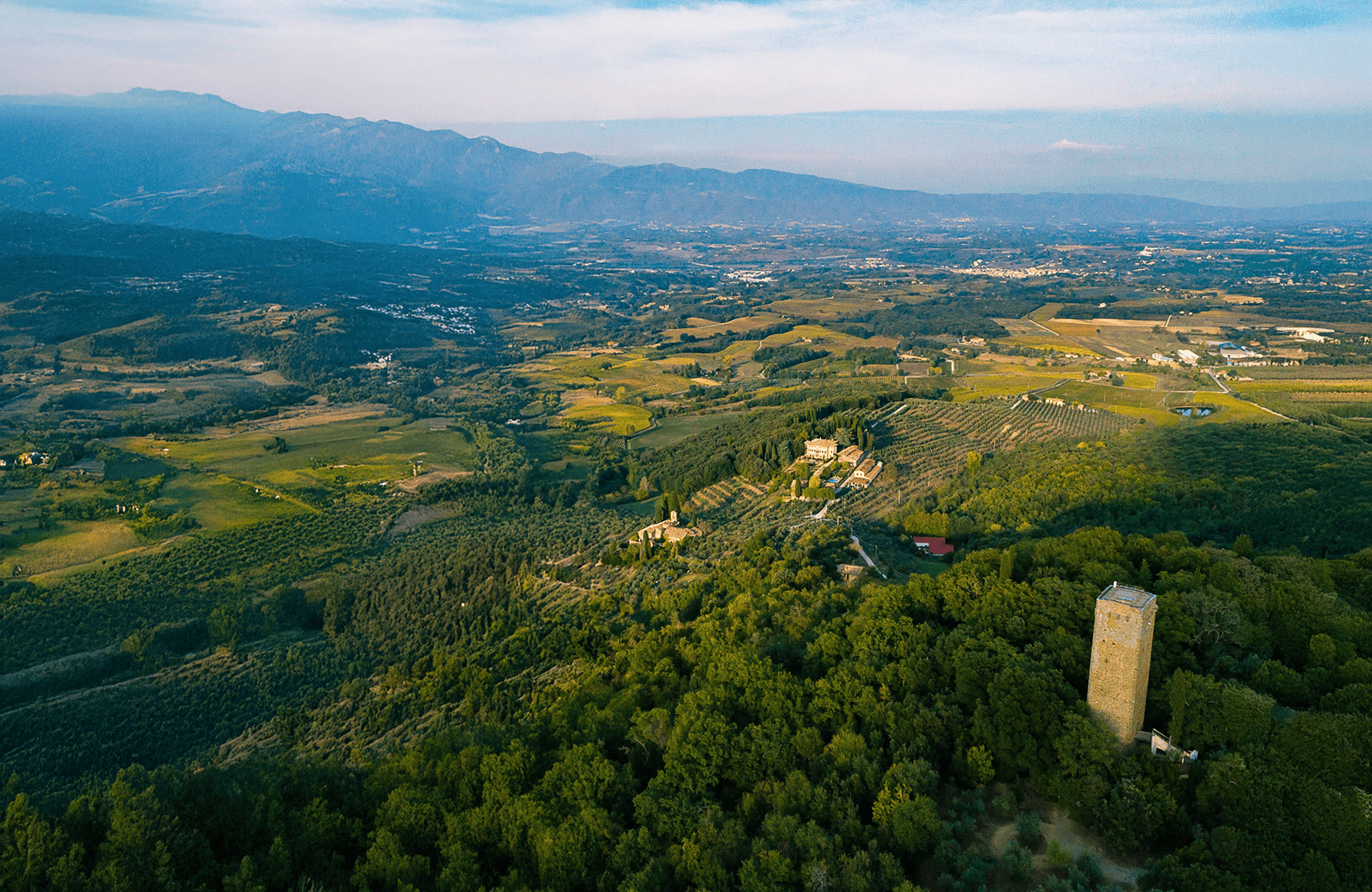
the story of Petrolo - Italy

Recognized by the Medici

A property in the heart of Tuscany

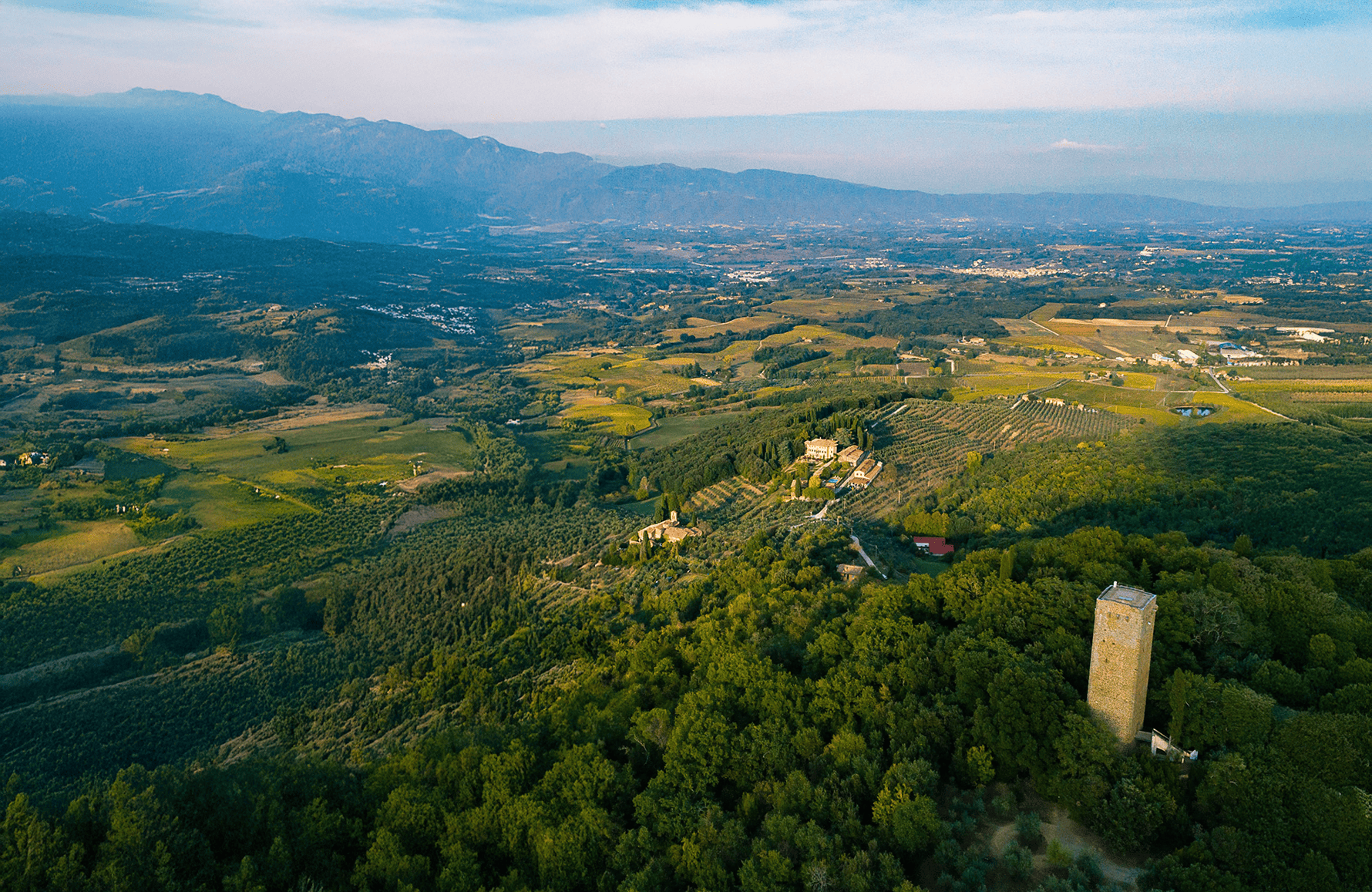
THEPetroleum domainis the very definition of an exceptional property. Perched atop a hill, surrounded by its olive groves and vineyards, Villa Petrolo lies at the heart of a rich and ancient history: as early as 1716,Cosimo III de Medici, Grand Duke of Tuscany, recognizes in an edictVal d'Arno di Sopraas one of the most important regions for the production of fine wines and quality olive oil.

In 1834, the agronomist Giorgio Perrin, then owner of the estate, dedicated theSangioveseas well as the planting of French grape varieties that thrive perfectly in the soils ofChianti.

Bought back in the 1940s by the familyBazzocchiPetrolo today celebrates biodiversity, where vineyards, olive groves, and forests coexist: on the 272-hectare estate, only 31 hectares are dedicated to vines and 19 to olive trees. Since the early 1980s, it hasLuca Sanjust, the grandson of Gastone Bazzocchi, who dedicates his time and passion to running the property.

A renowned terroir

The soil of Chianti

The vineyard covers 31 hectares, of which only 26 are currently in production. Located at an altitude between 250 and 450 meters, the main terroir ofPetrolois typical of the region ofChiantiThe vines grow in moderately loose soil with rocky layers of limestone, sand, clay, and shale flakes. The planting density is5500 plants per hectare, cultivated in such a way as to produce only 25hl/hectare. The estate is divided into13 plots, each with a particular exposure, grape varieties and landscape.

Respect for the natural cycle

Biodiversity and organic farming

Respect for the natural cycle is at the heart of the philosophy ofPetroloThe vines and olive trees are cultivated inorganic farmingThe rows are left grassy and everything is done to nourish the soil as much as the vines, so that there is a permanent balance that is reflected in the wines.organic certificationThe designation for wines was obtained in 2016; it had already been granted for olive oil production since the 1990s. Fermentation is spontaneous withnative yeasts.