The story of Klein Constantia
A field that spans generations
The story ofKlein ConstantiaThis isn't a recent phenomenon. It was already happening in...1652the first vines were planted byJan Van Riebeeck and Hendrick Bloomwithin theCompany's GardenLocated just behind the mountain of theTableat the forefront ofHeading to South AfricaThis estate has made its mark on history, as it is one of the country's first wine estates. Since its founding, it has had numerous owners. IfKlein Constantiaexperienced its golden age at the beginning of the19th centuryIt was also led to its decline at the end of the century. It wasn't until the years1970so thatKlein Constantiaexperience a revival. Indeed, it was in 1986 thatDuggy Joosterehabilitates the vineyard, and replants new vines.
From that date, the property experienced another meteoric rise and gained worldwide renown. Today it is controlled byZdenek Bakala and Charles Horman,Klein Constantiais one of the most renowned fields in the world.2000The property has also been selected as one of the nine most legendary vineyards in the world bythe International Institute of Vineyard Landscapes and Architecturenext to theChâteau d'Yquem and Romanée-Conti.
The Klein Constantia vineyard
In the lands of Constance wine
THEKlein Constantia Estateis particularly renowned for its production of high-quality white wines such asSauvignon Blancor even theRieslingIt is also known for producing the famous golden white wine “Constance wineThe Klein Constantia vineyard is primarily oriented towardssouth to eastand is situated at an altitude of 70 to 343 meters above sea level. The constant breeze from the ocean, along with the limited hours of sunshine, means that the highest slopes are also the coolest in the Cape. The vineyard extends over more than200 hectares on predominantly granitic soilsThe grape varieties are derived fromCabernet Sauvignon, Riesling, Sauvignon Blanc, Chardonnay, Muscat de Frontignan, Malbec, Sémillon, Syrah and Petit Verdot.
Winemaking at Domaine Klein Constantia
Traditional know-how and a conversion to organic farming
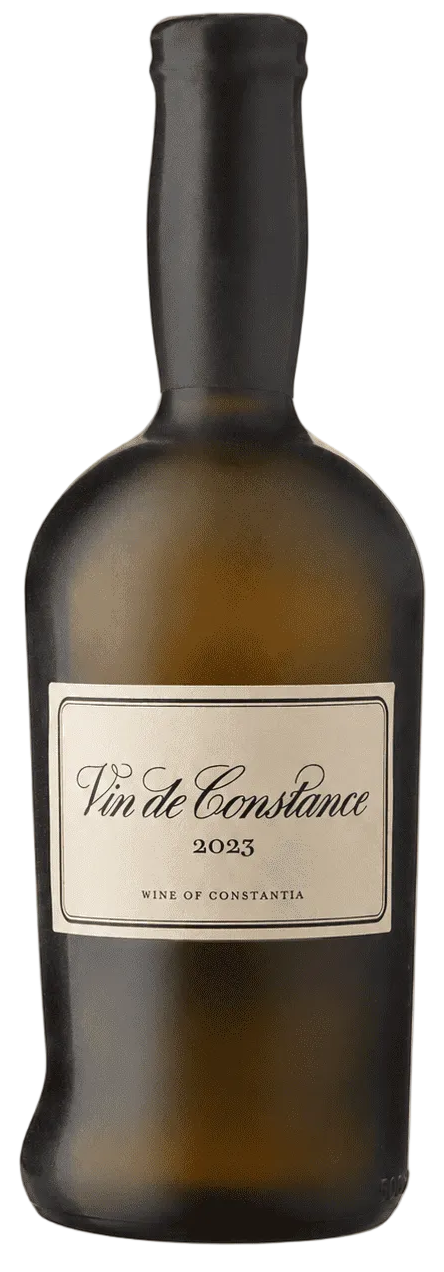
Each vineyard is managed individually with the aim of allowing it to express its specific terroir.The grape harvest is done manually., say "in the French style" and the estate takes eco-responsibility seriously in its practices.Klein Constantiais also in organic conversion, and adopts as many practices as possibleorganic and biodynamicRegarding Vin de Constance, the most famous ofKlein Constantia Estateit is developed fromMuscat de FrontignanHarvested in several batches, the grape bunches can range from fully ripe berries with high acidity to individual raisins with a more intense sugar concentration. Each batch is then kept separate and treated differently to achieve the perfect balance of sugar, alcohol, and acidity. Maceration is carried out at low temperatures and can last up to two weeks. Each batch is then gently pressed into 500-liter barrels for fermentation, which lasts from six months to a year. After fermentation, the wine is aged on its lees in new French oak, Hungarian oak, and French acacia barrels for at least three years.