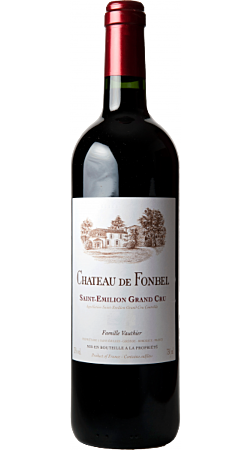
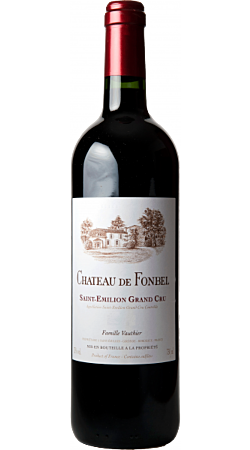
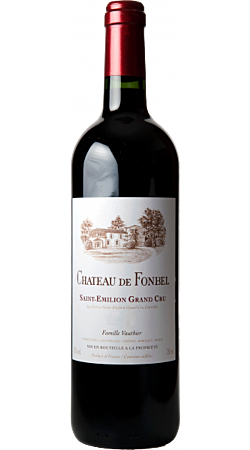
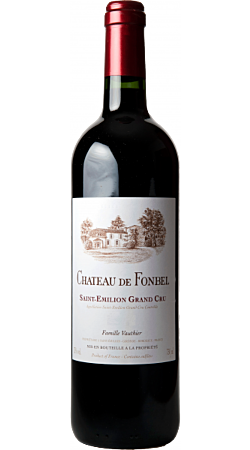
Fonbel Castle
In search of perfection
It was the solitude of a man, Emilion from Brittany, that founded one of the most beautiful towns in the Bordeaux region. He left his native region to dedicate himself to prayer on the limestone soil of what would later be calledSaint-EmilionThis hermit would inspire religious movements in the region. As a result, numerous orders would settle there and cultivate vines. Here begins the history of viticulture in Saint-Émilion.
Lordships gradually became established during the Middle Ages. Thus was born theFonbel CastleProperty of theVauthier familySince 1971, known for owning Château Ausone (Grand Cru Classé A) and Château Moulin-Saint-Georges. Château de Fonbel is a playground, receiving special attention, like an experimental garden for Château Ausone and its chapel.
The vineyard of Château de Fonbel
The Saint-Emilion terroir serving a great château
THEFonbel Castleis located south of the town ofSaint-EmilionThe estate is classified among theGrands Crus of Saint-Emilionin 1955. The Château de Fonbel vineyard covers 16 hectares in the southern plain of Saint-Emilion. Merlot, Cabernet Franc, Petit Verdot, and Carmenère vines grow alongsideclay-sand and gravelly soilsThis type of surface allows for both the release of the day's heat during the night and ensures natural soil drainage. As a result, the vines experience water stress, which allows them to concentrate their aromas. The vines are on average about twenty years old. Château de Fonbel is maintained in a similar manner to Château Ausone and Moulin-Saint-Georges.
The expertise of Fonbel Castle
Demanding technical teams
The estate is undergoing organic conversion and the harvest is carried out meticulously.Philippe BaillarguetHe is the cellar master. He contributes to enhancing the value of the wine from theFonbel CastleThe grapes are fermented in temperature-controlled stainless steel tanks. The wine is then aged for 12 months in French oak barrels, 30% of which are new. French oak guarantees great finesse to the wine. While it certainly preserves the wine, it also influences its composition. Indeed, oak tends to impart smoky aromas, such as vanilla. The use of barrels is a common practice in Bordeaux. At the tasting, Château de Fonbel offers...complex and elegant wines.