The Roots of Musar Castle
Heritage and Family Tradition
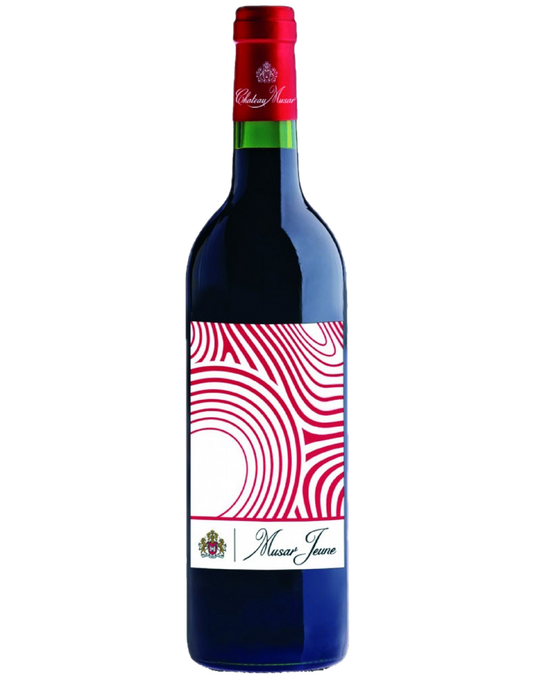
Château Musar traces its origins back to 1930, when Gaston Hochar, inspired by the great wines of Bordeaux, decided to establish an estate in the Bekaa Valley. From the outset, he sought to combine French winemaking techniques with the specific characteristics of the Lebanese terroir, thus giving his wines a unique identity. His son, Serge Hochar, joined the family business in the 1950s, marking a decisive turning point for the estate. Trained in Bordeaux, Serge implemented avant-garde methods while remaining true to family traditions. Under his leadership, Château Musar gained international recognition, notably after being featured at the Bristol Wine Exhibition in 1979. Serge was even named "Man of the Year" by the magazine.Decanterin 1984, thus recognizing his winemaking genius.
Today, the third generation of the family, brothers Gaston and Marc Hochar, carries on the legacy while exploring new avenues to further enhance the quality of the wines. Their commitment to sustainability and excellence remains a priority, ensuring that Château Musar continues to shine on the world stage. Over the decades, the estate has not only survived Lebanon's political turmoil and armed conflicts, but has also thrived, embodying the resilience and passion that drive producers of exceptional wines.
A Unique Terroir
The Château Musar Vineyard
The Château Musar vineyard stretches across the foothills of the Bekaa Valley, a historic wine region in Lebanon. Nestled between two mountain ranges, this valley benefits from a unique microclimate, with hot summers and cool winters, and an altitude of 1,000 meters that allows for optimal grape ripening. On its 180 hectares, the estate cultivates indigenous grape varieties such as Obaideh and Merwah, as well as international varieties like Cabernet Sauvignon, Cinsault, and Carignan, offering great diversity to Château Musar wines. The valley's limestone and gravelly soils impart a distinctive minerality to the wines. A pioneer of organic viticulture in Lebanon, Château Musar is committed to environmentally friendly farming practices, ensuring the health of the soil and vines. Hand-harvesting allows for the careful selection of the finest grapes, guaranteeing optimal quality. Château Musar is thus part of a winemaking tradition that seeks to reveal the quintessence of the Lebanese terroir, while embracing modern practices. This combination of tradition and innovation makes the estate a pioneer in the production of complex and harmonious Lebanese wines, where each bottle tells a unique story.
The Art of Time at Château Musar
Winemaking and Aging
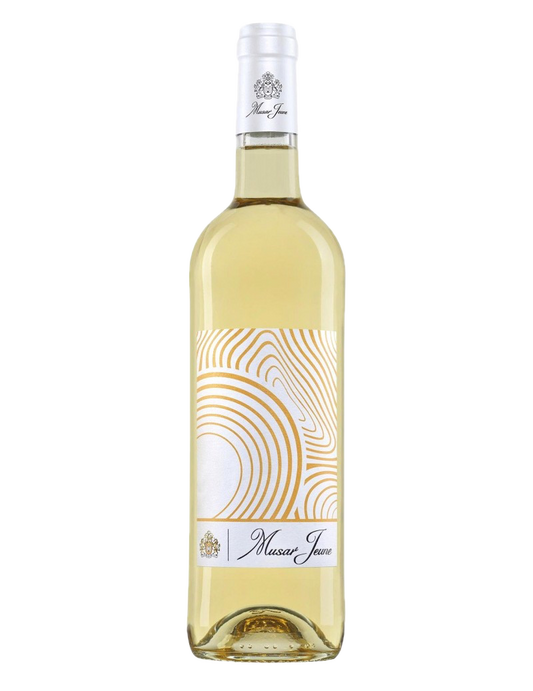
Winemaking at Château Musar combines traditional methods with modern practices. The red grapes, fermented in separate cement vats by grape variety, allow for optimal extraction of aromas and tannins. After six months, the wines are racked and then aged for approximately 12 months in French oak barrels from the Nevers forest, with a balance of new and old oak. This aging process develops a refined tannic structure and aromatic depth. The red wines are then aged in the bottle for at least seven years before release, thus reaching their full maturity. The white wines, made from the Obaideh and Merwah grape varieties, ferment in oak barrels for 6 to 9 months before being blended after one year. Aged for approximately six years in the cellar, they acquire aromas of dried fruit, honey, and spices. Château Musar wines are distinguished by their exceptional longevity. The reds, made from Cabernet Sauvignon, Cinsault, and Carignan, can age for decades, while the whites offer a unique freshness and depth, comparable to the great wines of Burgundy. In short, Château Musar wines are much more than just bottles to enjoy. They embody the history, the terroir, and the expertise passed down through generations within the Hochar family. Buying a Château Musar wine is to embark on a journey into a world of complex and elegant flavors, where each vintage tells a unique story, reflecting an exceptional terroir and time-honored winemaking traditions.