
Clos Roussely
Learn more
No products found
Use fewer filters or remove all
History of the Estate Clos Roussely
A passion passed down from father to son
A family affair
THEClos Rousselyis an outbuilding of the castle in the village of Angé in the Loire.Vincent Rousselyis the current owner and represents the 4th generation of winemakers in his family. In 1917, his great-grandfather,AnatoleHe settled on the Clos and the adventure began; he became a winemaker and distiller. His son,MarcelHe took over and devoted himself to developing the vineyard. He even created a wine trading company in 1947. His children would later inherit the estate.Jean-ClaudeAndNicoleThey dedicate themselves exclusively to the trading company and leave the vineyards to a winemaker. Finally, it will be the turn ofVincentJean-Claude's son took over the family estate. He acquired the business and the buildings of the trading house in 2001. He revived the place, adapting it to create and share his passion. In 2007, he obtained certification.Organic Farmingfor its 9-hectare vineyard. Today, 8 grape varieties are cultivated according to the principles of thebiodynamicsPassion, conviviality, family and sharing are the values conveyed by this lovely family estate.
The Loire Valley
The ideal terroir for Sauvignon Blanc
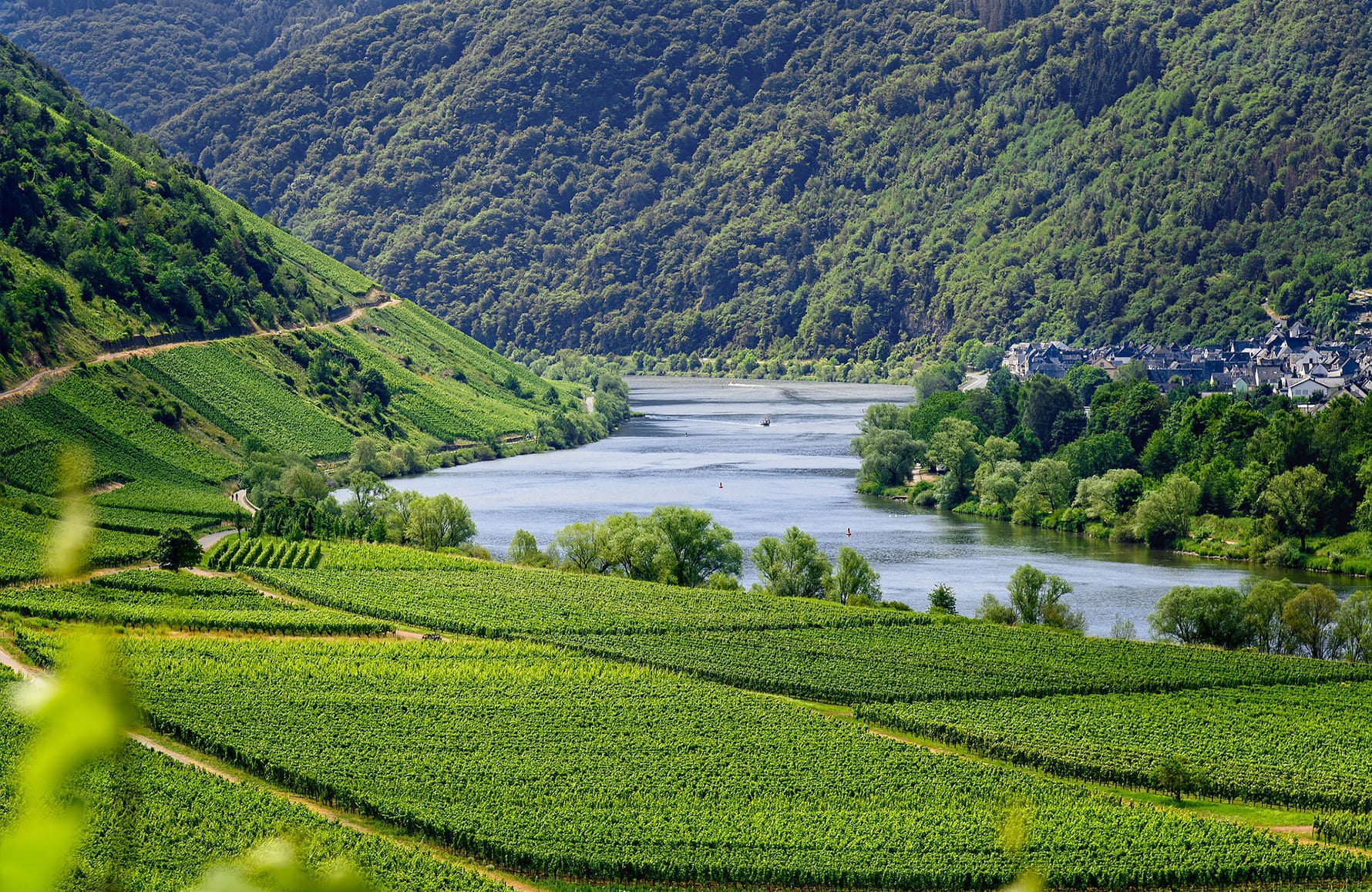
THEClos Rousselyis located within the appellation areaTouraineAndTouraine-ChenonceauxIt covers 8 hectares of vineyards. The oldest vines on the property are 80 years old. They are rooted in clay-limestone soils with abundant flint and benefit from a temperate climate ideal for the region's flagship grape variety:Sauvignon BlancThis grape variety represents 80% of the vineyard's plantings. Other grape varieties found include Côt (more commonly known as Malbec), Pineau d'Aunis (also called Chenin Noir), Cabernet Franc, and Gamay. Entirely cultivated inorganic farmingThe vineyard is managed with the utmost respect for nature and its soils to protect the biodiversity surrounding the property. The estate's primary value is protecting the plant and animal diversity that surrounds it. Various animals can be found on the property, maintaining the plots. The oldest vines, in particular, are tended with the help of a horse. If you stroll through the lands ofClos RousselyYou may also encounter donkeys or sheep, which help to maintain the soil.
Organic viticulture and winemaking
A dialogue between the vine and the winemaker
The wines are produced the way the winemaker likes to drink them: light, authentic, and convivial. The harvest is primarily done by hand. The estate's unique characteristic lies in the vinification of the wines in...troglodyte caves of tuffeauBeneath the vineyard, these cellars offer the best conditions for winemaking: optimal darkness, a complete absence of vibrations, and an ideal, constant temperature. Some of the estate's wines are aged in amphorae. This allows for oxygen exchange, which is just as beneficial as using wood. Working with amphorae requires considerable effort, regular monitoring, and delicate handling. Wines aged in amphorae offer many advantages; the clay helps preserve the authenticity and purity of the fruit, thus respecting the expression of the terroir.